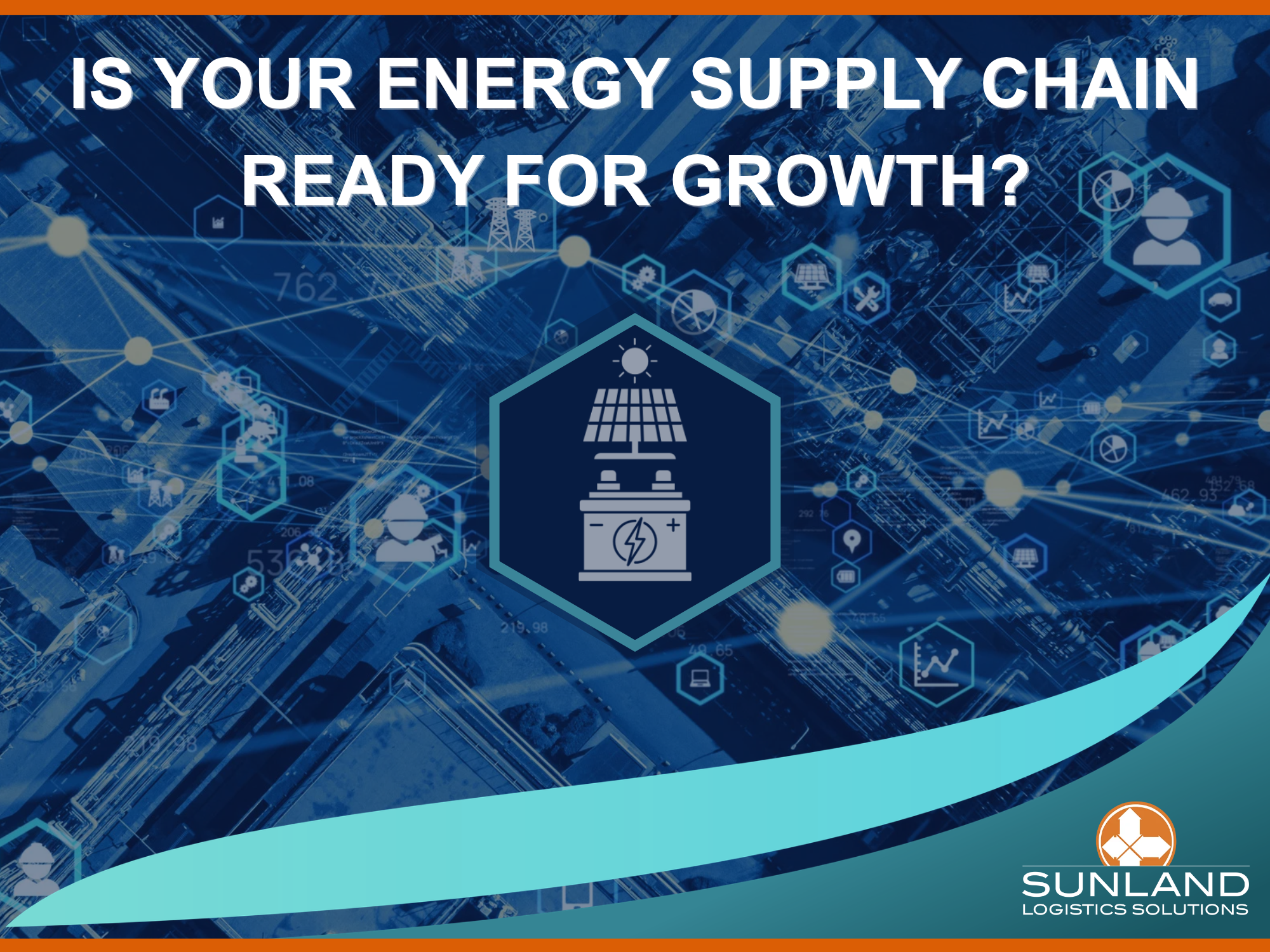
America’s energy transformation is creating enormous momentum across the industry, making a resilient, scalable supply chain more important than ever before.
America’s Energy Transformation Is Accelerating
The U.S. energy sector is entering one of its most significant growth periods in decades. From utility-scale solar and battery energy storage systems (BESS) to wind farms, power generation infrastructure, grid modernization projects, and emerging clean energy technologies, investment is flowing into nearly every corner of the industry. Across the country, developers, utilities, manufacturers, and EPC firms are working to meet growing energy demand while building a more resilient and diversified energy future.
The U.S. Energy Information Administration expects 86 GW (1 GW is roughly enough capacity to power about 750,000 average U.S. homes) of new utility-scale capacity to come online in 2026 alone — the largest single-year jump in over two decades. Solar and battery storage account for 79% of that growth.
Behind every megawatt added to the grid are thousands of components that must be sourced, shipped, stored, tracked, and delivered to project sites at exactly the right time. As energy projects become larger and more complex, logistics has become an increasingly critical factor in determining whether projects are delivered on schedule and within budget.
The Supply Chain Challenges Behind Industry Growth
While growth is typically the goal, it often exposes weaknesses in existing supply chain strategies that risk an organization’s ability to scale successfully.
Today’s energy projects rely on highly coordinated logistics networks involving vendors, manufacturers, ports, transportation providers, warehouses, and project teams. A delay at any point in the process can create ripple effects throughout an entire project schedule.
Common challenges include:
- Limited warehouse capacity in key project regions
- Port congestion and transportation bottlenecks
- Managing high-value, oversized, or specialized equipment
- Inventory visibility gaps across multiple locations
- Last-mile delivery coordination to remote project sites
- Shifting project schedules that require flexible storage and transportation solutions
Is Your Supply Chain Holding Back Growth?
Many organizations do not realize their logistics operations are under strain until projects begin experiencing delays, unexpected costs, or operational bottlenecks.
To evaluate readiness, consider the following questions:
- Do you have consistent visibility into inventory and shipments? If project teams cannot quickly determine where critical materials are located or when they will arrive, decision-making becomes slower and risk increases.
- Are project schedules frequently impacted by delivery timing? Components arriving too early can create storage challenges and additional costs. Arriving too late can delay construction timelines and labor schedules.
- Is growth creating operational complexity? As project volume increases, manual processes and disconnected logistics providers can become difficult to manage efficiently.
- Are logistics costs becoming less predictable? Unexpected storage fees, transportation costs, penalties, and expedited shipments often indicate that supply chain planning needs improvement.
- Can your logistics network scale alongside future demand? The energy sector’s growth trajectory suggests that tomorrow’s projects will likely be larger, more geographically dispersed, and more time-sensitive than today’s.
Organizations that answer “yes” to these questions have opportunities to strengthen their logistics strategy before growth creates larger challenges.
Building a Scalable Energy Logistics Strategy
A growth ready supply chain is not built around solving today’s challenges alone. It is designed to support future expansion.
The most effective energy logistics strategies typically focus on four key areas:
-
Capacity Planning for Future Growth
-
End-to-End Visibility
-
Flexible Transportation Solutions
-
Strategic Warehousing
Growth Requires More Than Infrastructure
The energy industry’s future is bright. New projects, technologies, and investments will continue to drive demand across the country. Yet every project depends on more than engineering, procurement, and construction. It depends on a supply chain capable of delivering the right equipment, to the right location, at the right time.
A scalable logistics strategy can help reduce risk, improve visibility, control costs, and keep projects moving forward as demand grows.
How We Help?
At Sunland Logistics Solutions, we understand that energy logistics requires more than transportation. It requires coordination. Our approach combines warehousing, FTZ solutions, transportation management, inventory control, and project logistics into a unified supply chain strategy designed specifically for large-scale energy operations.
Whether materials are arriving through a U.S. port, being staged for a utility-scale solar project, or moving toward a battery storage installation site, our goal is simple: “Help energy companies maintain momentum, reduce risk, and keep projects moving forward”.
Click to learn more about Sunland’s Energy Logistics Services